

What to See at Castel Sant’Angelo
A complete guide to the highlights, views, and must-see areas of Castel Sant’Angelo.
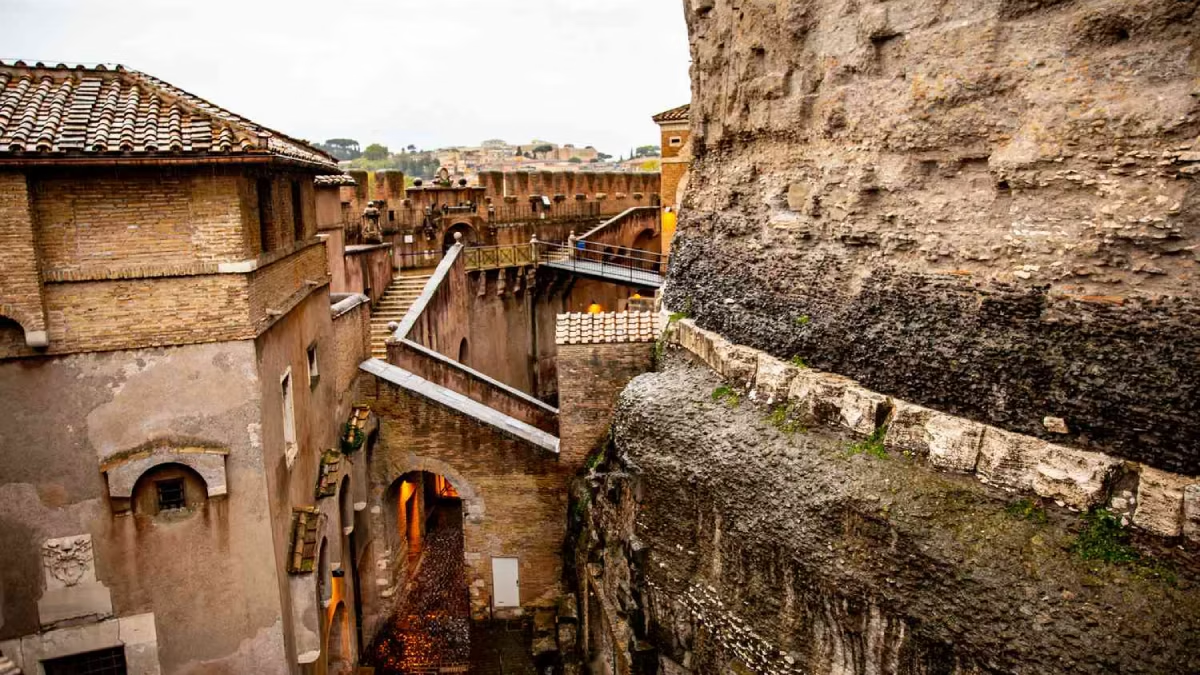
Top Highlights at Castel Sant’Angelo
The headline sights and experiences most visitors want to see first.
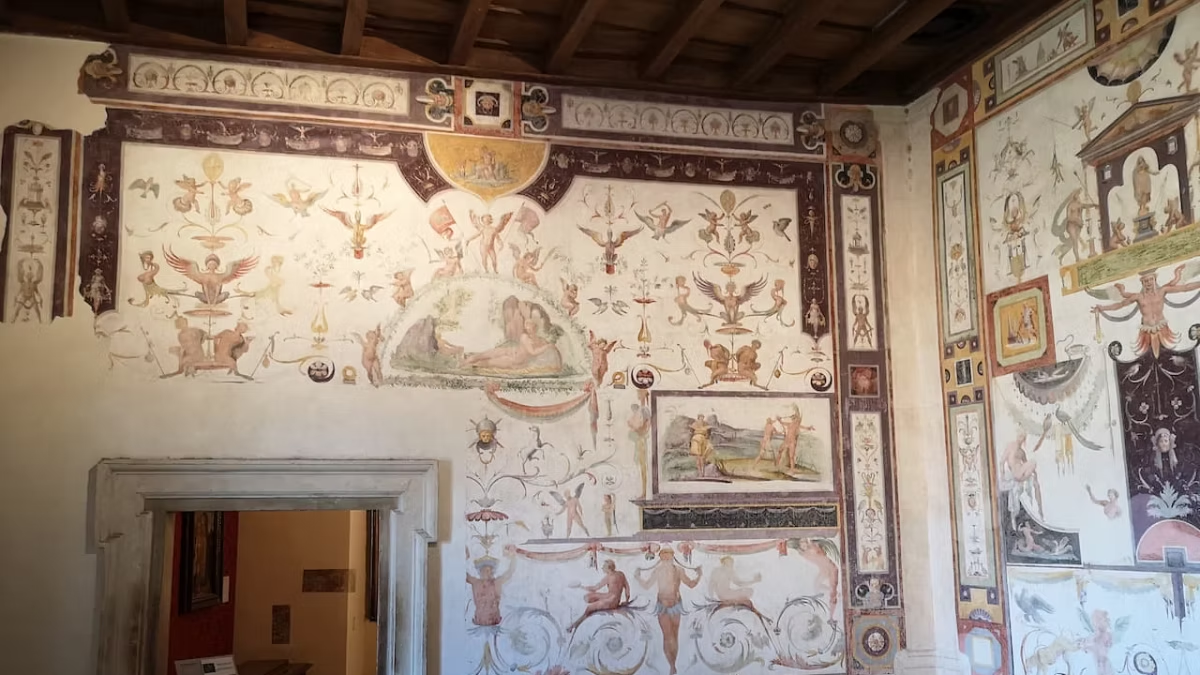
Castel Sant’Angelo Floor-by-Floor Tour
Climb five levels from Hadrian’s original spiral ramp through Renaissance armories and frescoed papal apartments to the rooftop Terrace of the Angel, where you get a direct panorama over St. Peter’s dome and the Tiber. Each floor shifts era — ancient tomb to papal fortress to open-air belvedere.
Explore →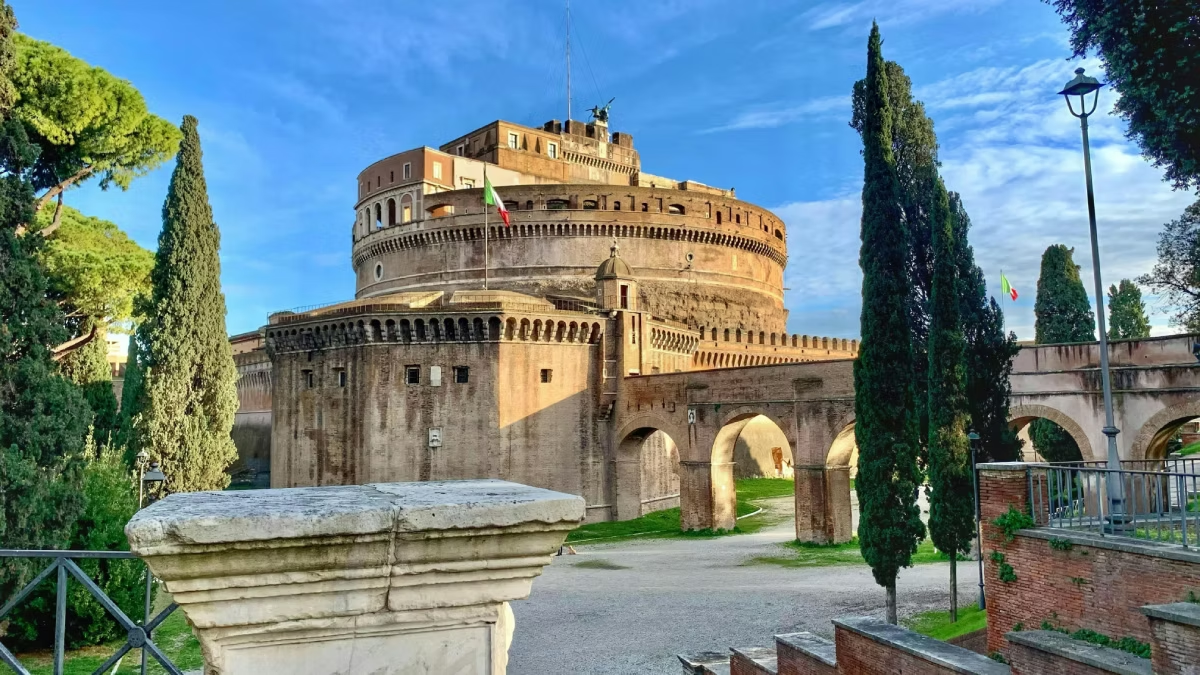
Passetto di Borgo Escape Route
This elevated 800-metre corridor atop the ancient Leonine Walls links the castle directly to the Vatican, built so popes could flee in emergencies. Walk the same fortified passage Clement VII used to escape the 1527 Sack of Rome — access is seasonal, so check availability before your visit.
Explore →Castel Sant’Angelo History Behind Castel Sant’Angelo
Trace the castle from Hadrian’s tomb to its legendary namesake.
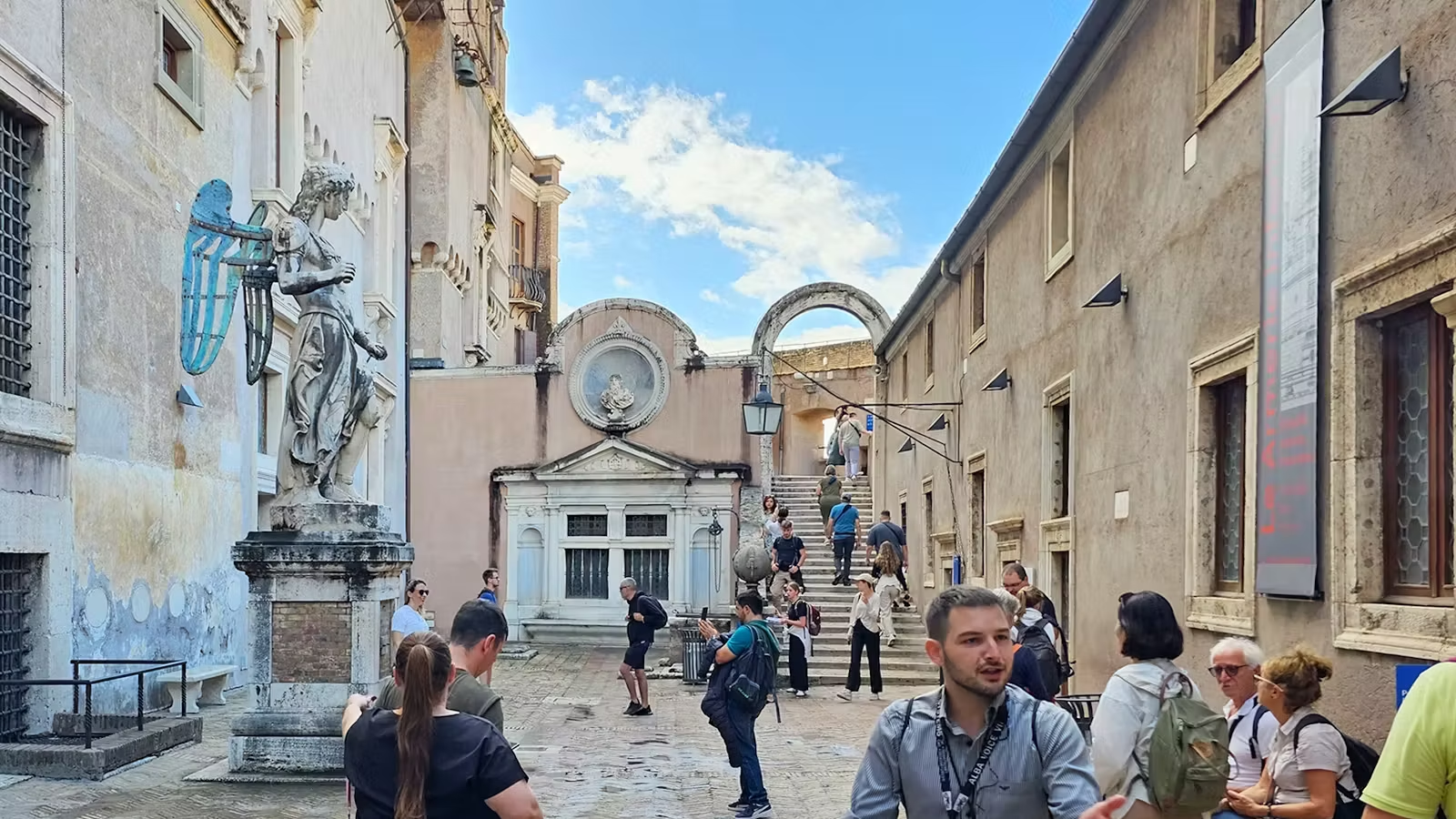
Hadrian’s Mausoleum: Ancient Origins
Discover Castel Sant’Angelo’s origins as Hadrian’s Mausoleum built in AD 139. Learn who was buried there, which Roman emperor designed it, and which ancient structures—including the iconic helical ramp—remain visible during your visit.
Read guide →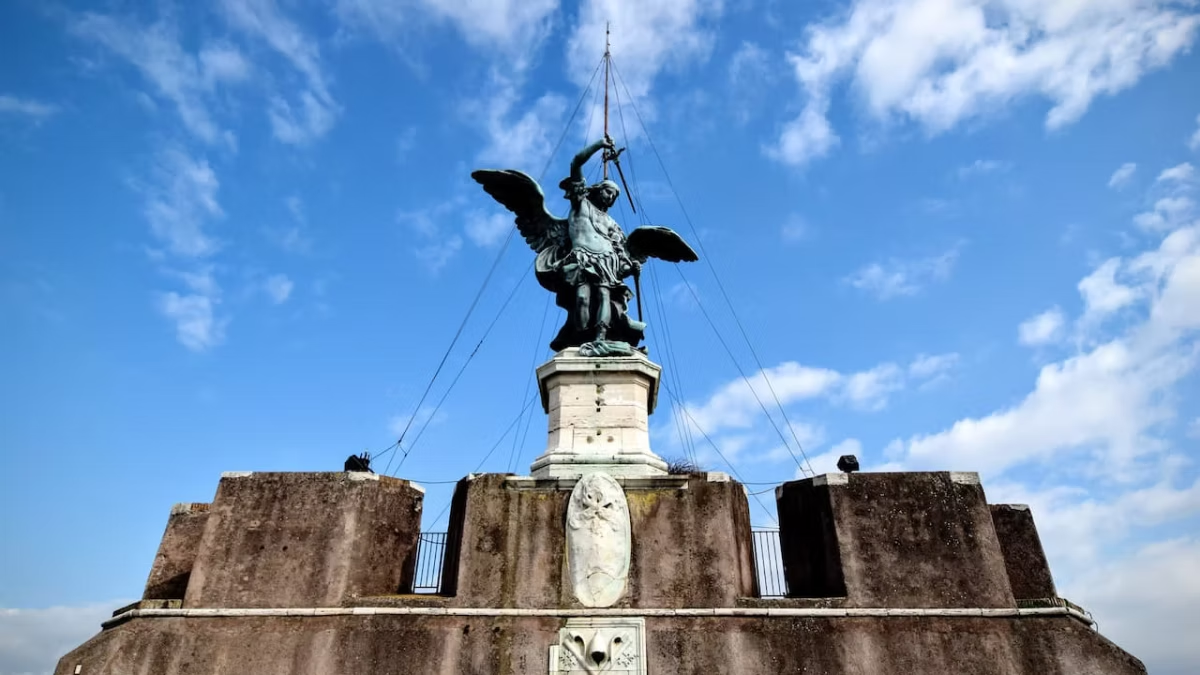
Saint Michael Bronze Angel Statue
The bronze Saint Michael statue inspired the castle’s name from a legendary 590 AD sighting. Perched atop Castel Sant’Angelo, this iconic sculpture symbolizes divine protection, and visitors can view both the current statue and its historical predecessor while learning the story behind the castle’s identity.
Read guide →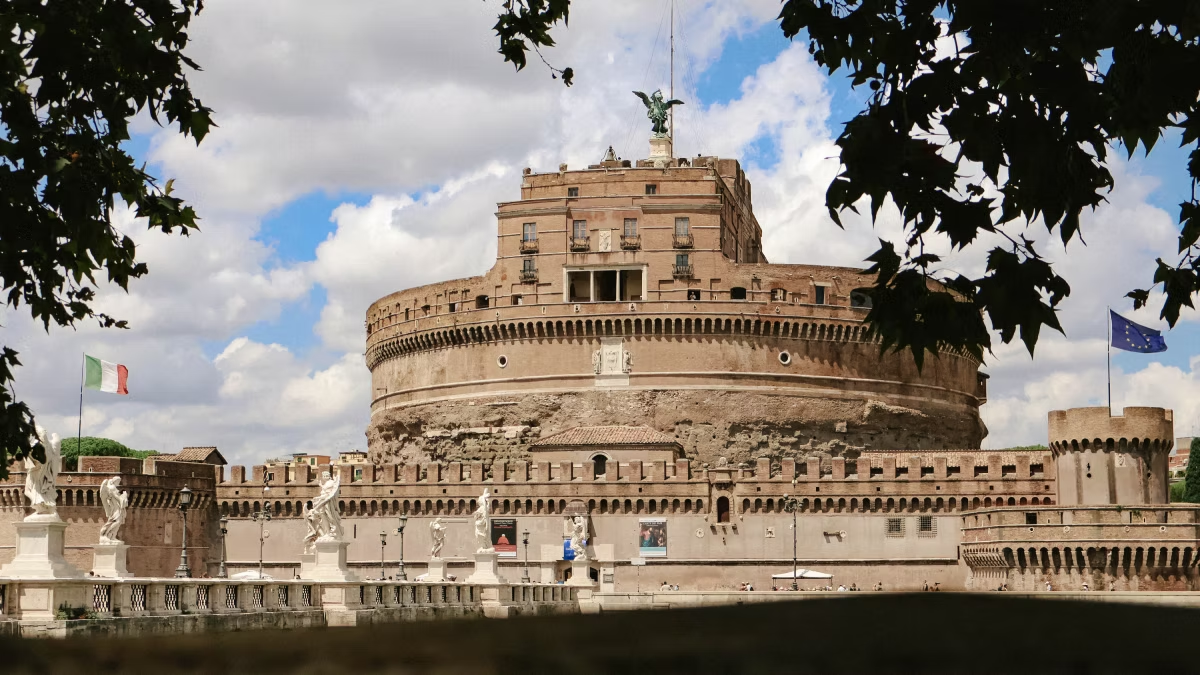
Castel Sant’Angelo: 1900-Year History
Discover Castel Sant’Angelo’s complete 1,900-year arc: Hadrian’s Mausoleum (AD 139), imperial fortress within the Aurelian Walls, papal refuge during medieval turmoil, Renaissance residence, prison notorious for political executions, and modern museum. Each era left visible traces.
Read guide →Castel Sant’Angelo Inside Castel Sant’Angelo’s Walls
Explore papal luxury and the castle’s darkest prison cells.
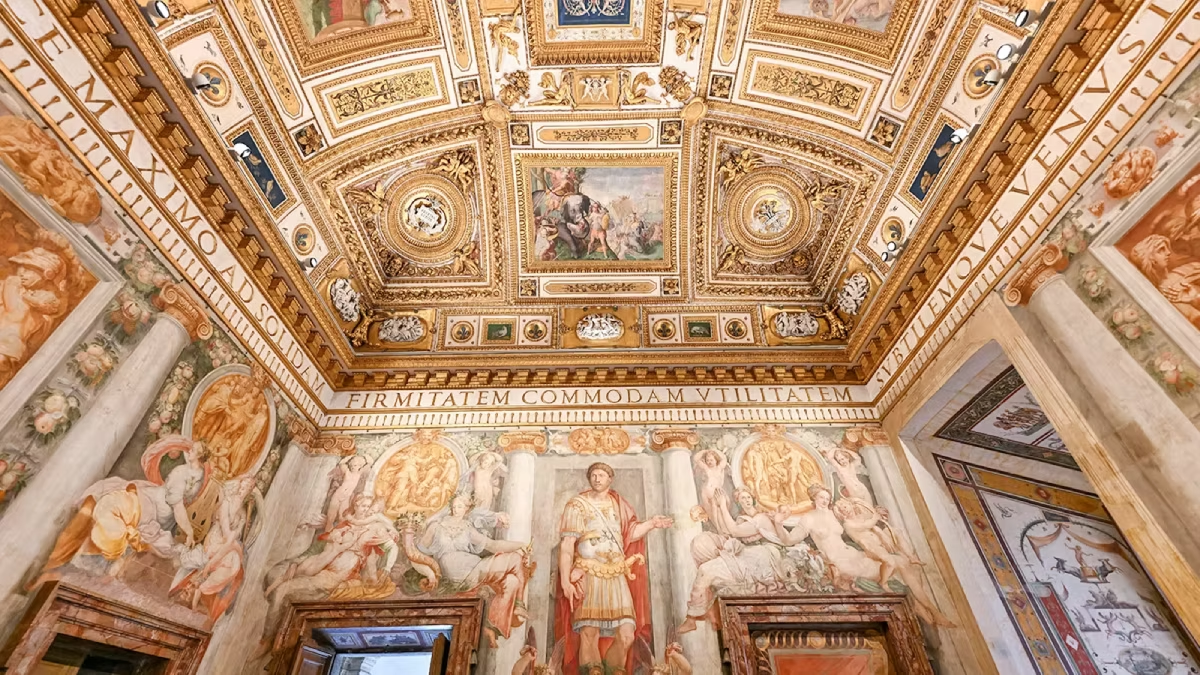
Papal Apartments & Sala Paolina
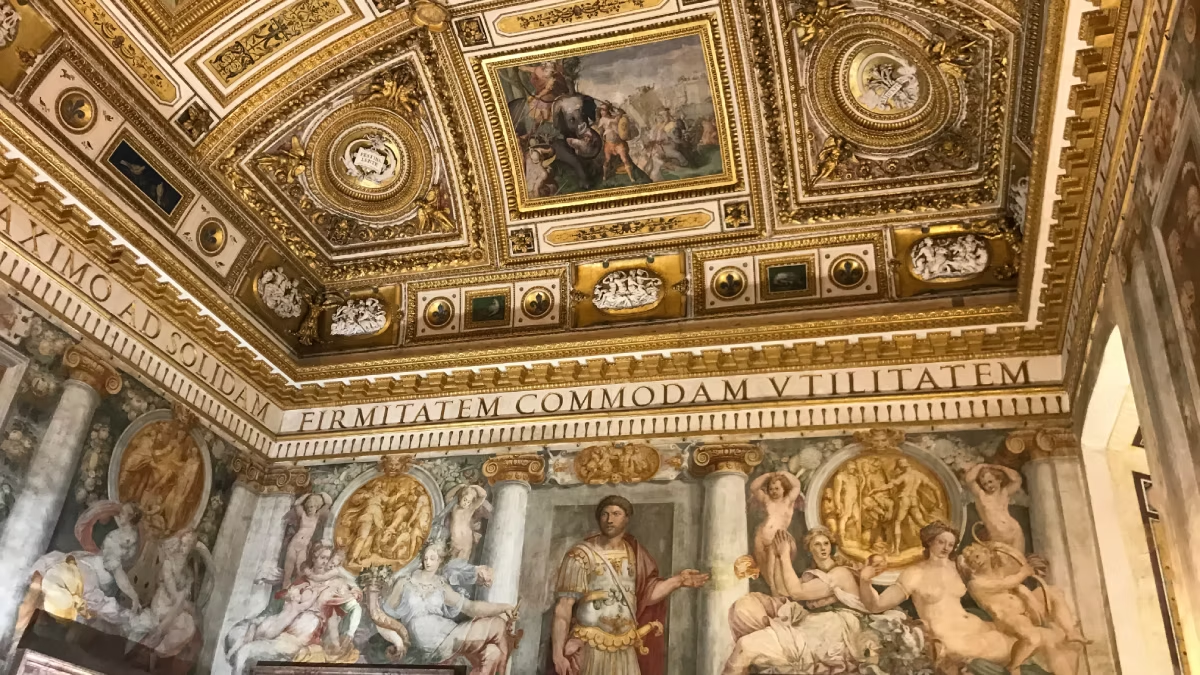
Explore the papal apartments at Castel Sant’Angelo: the frescoed Sala Paolina, intimate Camera di Amore e Psiche, and other Farnese-era rooms built as a fortified Renaissance refuge for popes.
Read guide →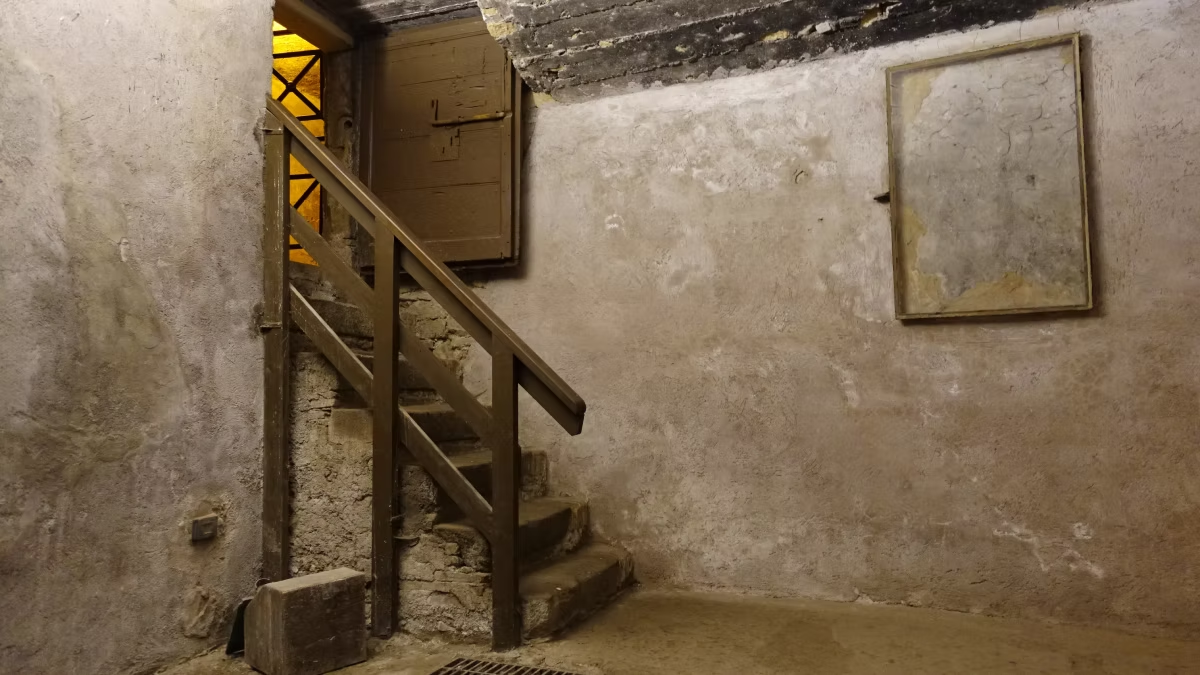
Prison Cells & Famous Prisoners
Castel Sant’Angelo’s prison held remarkable historical figures including Benvenuto Cellini, who famously escaped, and the tragic Beatrice Cenci. Visitors can explore the actual prison cells and discover the dramatic stories of Giordano Bruno, Cagliostro, and other notable prisoners who were held within these walls.
Read guide →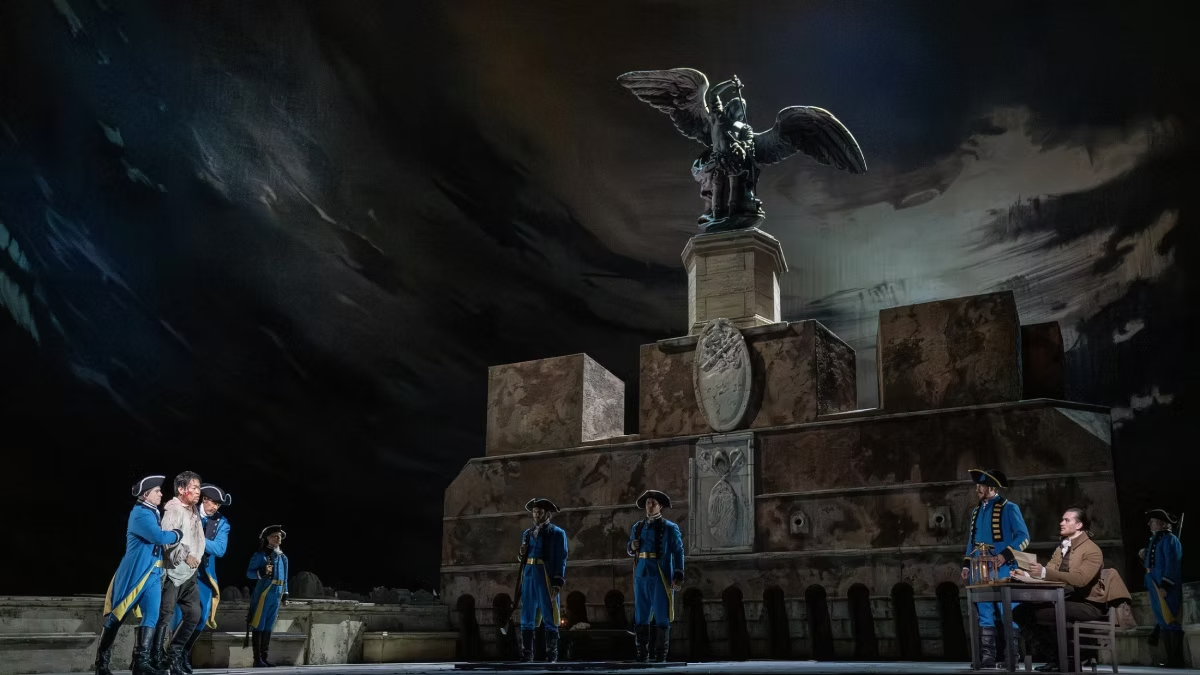
Tosca: Puccini’s Opera Finale
Puccini’s opera Tosca reaches its dramatic climax on Castel Sant’Angelo’s terrace at dawn. The article explains the plot, maps the real Rome locations across all three acts, and helps visitors recognize the operatic moments while experiencing the very terrace where this masterpiece unfolds.
Read guide →Castel Sant’Angelo Views From Castel Sant’Angelo
The famous terrace and the best spots to photograph the castle.
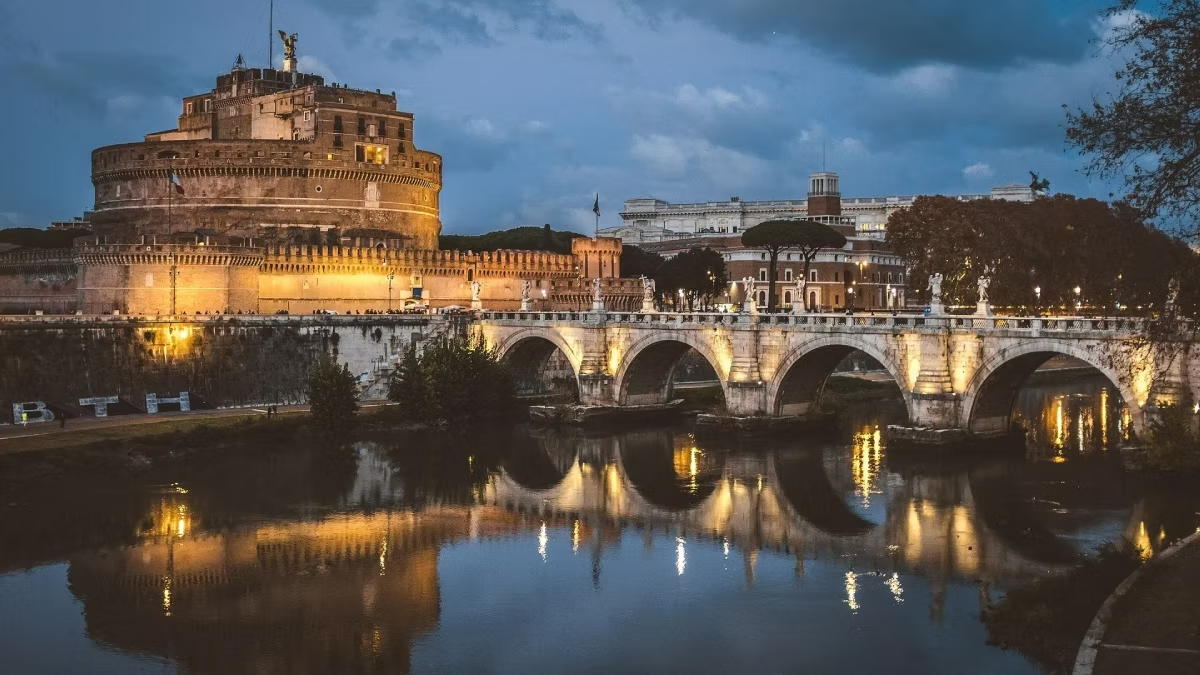
Best Photo Spots: Castel Sant’Angelo
Discover where to photograph Castel Sant’Angelo from its best angles: Ponte Sant’Angelo, Ponte Umberto I at sunset, Tiber embankments, and the rooftop terrace for panoramic Rome backdrops.
Read guide →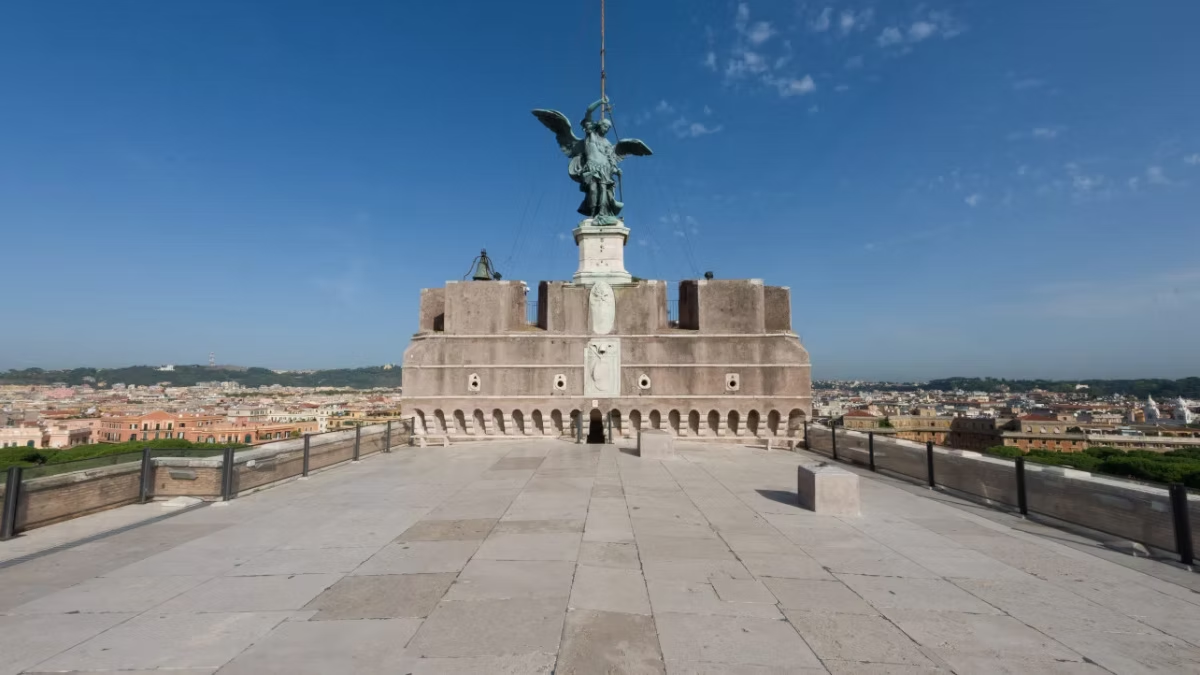
Terrace of the Angel Rooftop
The Terrace of the Angel crowns Castel Sant’Angelo with a bronze Saint Michael statue and 360-degree views of St. Peter’s, the Tiber, and Rome. This iconic rooftop offers arguably Rome’s finest vista for photography and experiencing the city’s monumental scale in a single panorama.
Read guide →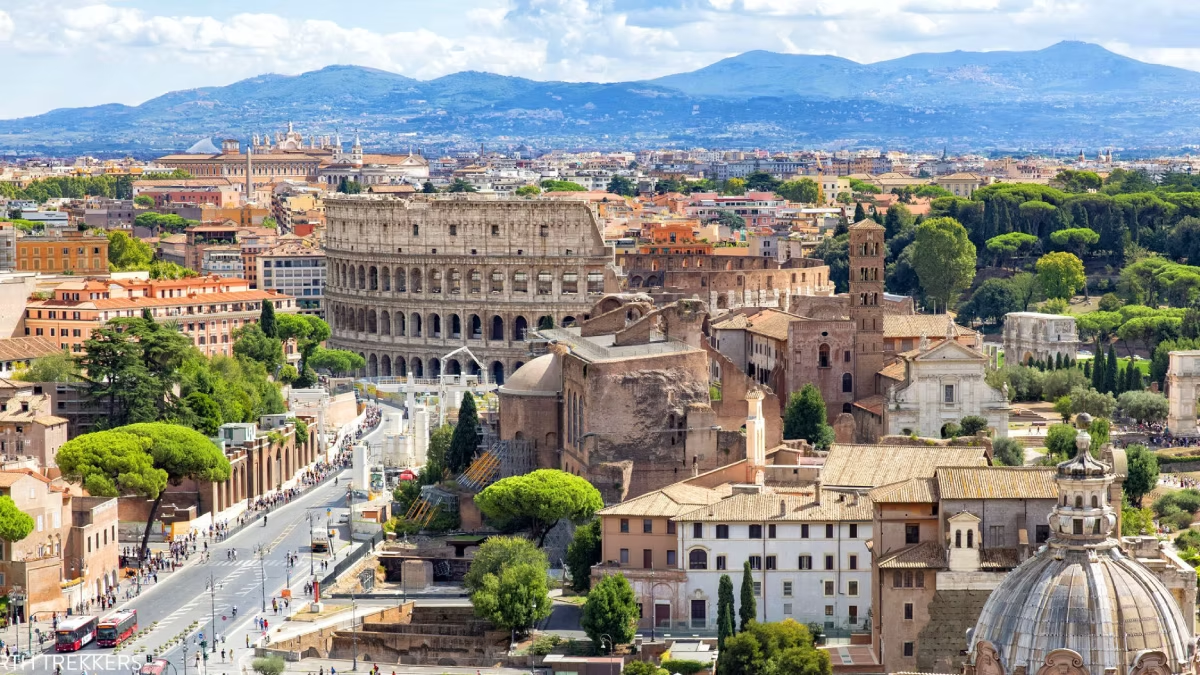
Rome’s Best Viewpoints Ranked
Compare Rome’s best viewpoints: the Vittoriano, Gianicolo, Pincio, Orange Garden, and St. Peter’s Dome. Learn where Castel Sant’Angelo’s terrace ranks among them, and how crowds, timing, and view types differ by season.
Read guide →Castel Sant’Angelo Ponte Sant’Angelo and the Castle
The iconic bridge of angels leading to Castel Sant’Angelo.
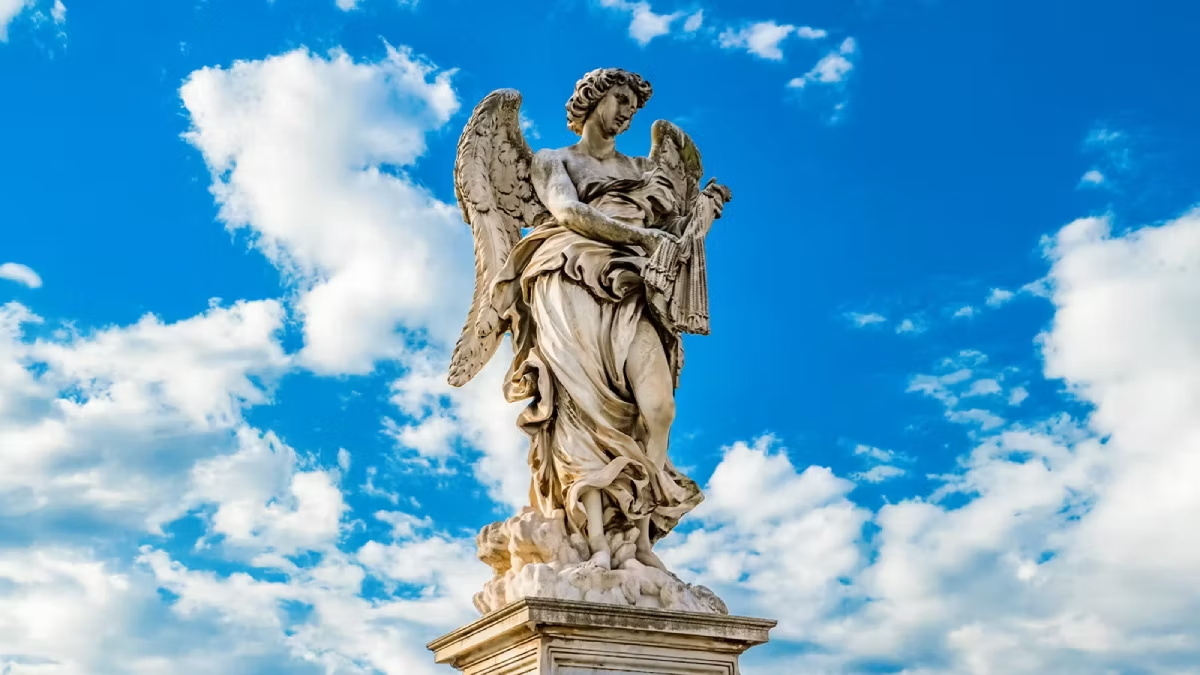
Ponte Sant’Angelo Bernini Angels
Ponte Sant’Angelo is Rome’s most enchanting free bridge, lined with ten stunning angel statues designed by Gian Lorenzo Bernini. Always open for visitors, this pedestrian span leads directly to Castel Sant’Angelo and offers exceptional photo opportunities, especially at sunset when the angels are beautifully illuminated.
Read guide →How to Choose What to See at Castel Sant’Angelo
A quick guide based on your interests and visit style.
If You Only Have 1 Hour
Skip the lower floors and head straight for the highlights that make this castle unlike anything else in Rome.
- Climb to the Terrace of the Angel for a 360° panorama over St Peter’s and the Tiber
- Pass through the Papal Apartments — the frescoed Sala Paolina alone justifies the visit
- Pause at the Saint Michael statue that gave the castle its name
For History Lovers
Few buildings have served as mausoleum, fortress, papal refuge, prison, and museum — Castel Sant’Angelo has done all five across 1,900 years.
- Begin in Hadrian’s Mausoleum to see the original Roman burial chamber and ramp
- Walk the Passetto di Borgo, the secret escape corridor popes used during sieges
- Visit the prison cells where Benvenuto Cellini and others were locked away
- Read the full 1,900-year timeline to connect every layer you walk through
For Photographers
The castle and its bridge are among Rome’s most photogenic landmarks, especially at golden hour and after dark.
- Cross Ponte Sant’Angelo at sunset when Bernini’s angels glow against the castle silhouette
- Shoot from the rooftop terrace for unobstructed views of St Peter’s dome
- Use our best photo spots guide for exact angles and times of day
For Art and Drama Fans
Puccini set Tosca’s final leap here for a reason — the castle blends Renaissance splendour with operatic atmosphere.
- Explore the Papal Apartments with their Renaissance frescoes and gilded ceilings
- Stand on the terrace where Tosca leaps in Puccini’s opera — the dramatic finale is set right here
- See the floor-by-floor tour for painted halls most visitors walk past too quickly
Continue Exploring Castel Sant’Angelo
Book your tickets and plan the practical details of your visit.
Tickets & Tours
Compare all Castel Sant’Angelo tickets and guided tour options from GetYourGuide.
Browse all tickets →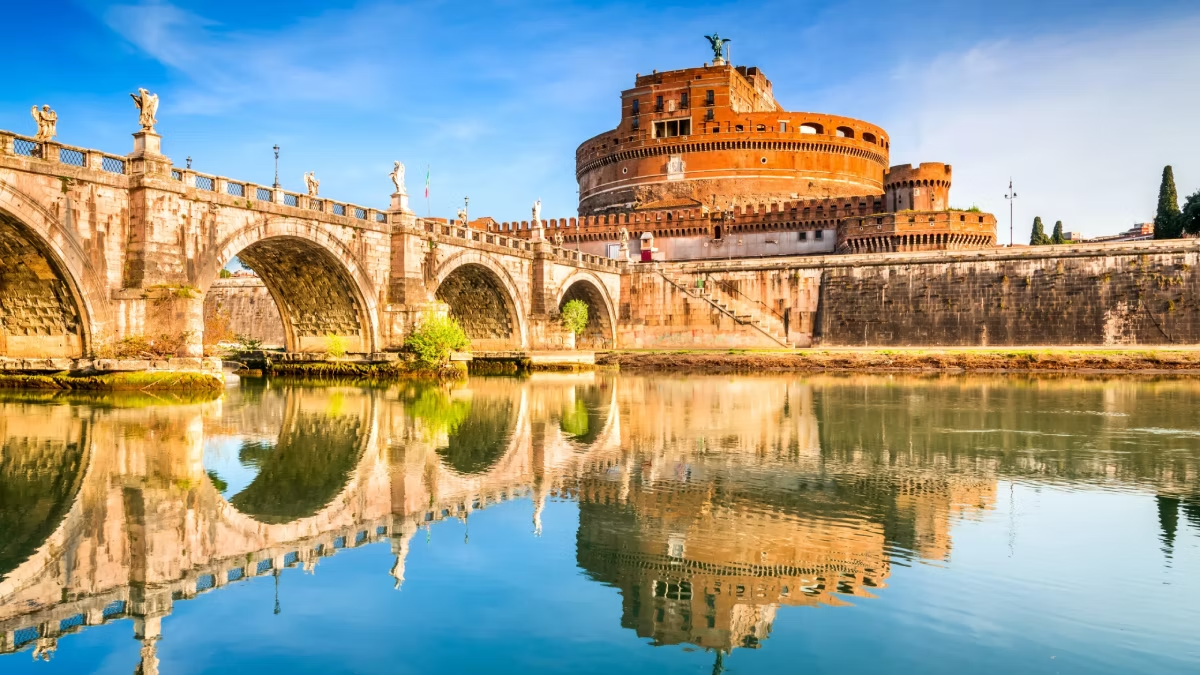
Plan Your Visit
Practical tips including hours, best times to visit, and how to get there.
Explore planning guides →Frequently Asked Questions
Common questions about what to see and prioritise.